 NextEraSolutions
MVP app development: a typical first release in 60–90 days, built to keep
Next Era Solutions builds the first release of iOS and Android apps, from a short discovery to the App Store and Google Play. We build for founders who need version one. We also build for service businesses whose customers keep calling to ask "what's the status?". Our team is distributed: engineers work remotely across Europe, from the UK to Portugal, the Nordics and DACH, and a few work in Ukraine. Your contract is with an EU company registered in Estonia, and rates are per engineer, about $30–$90 an hour by level.
Is this you?
You have an idea and a budget, but no mobile team.
You need one team for the plan, the design, the build and the launch.
You run a law firm or a claims business, and clients call for every case update.
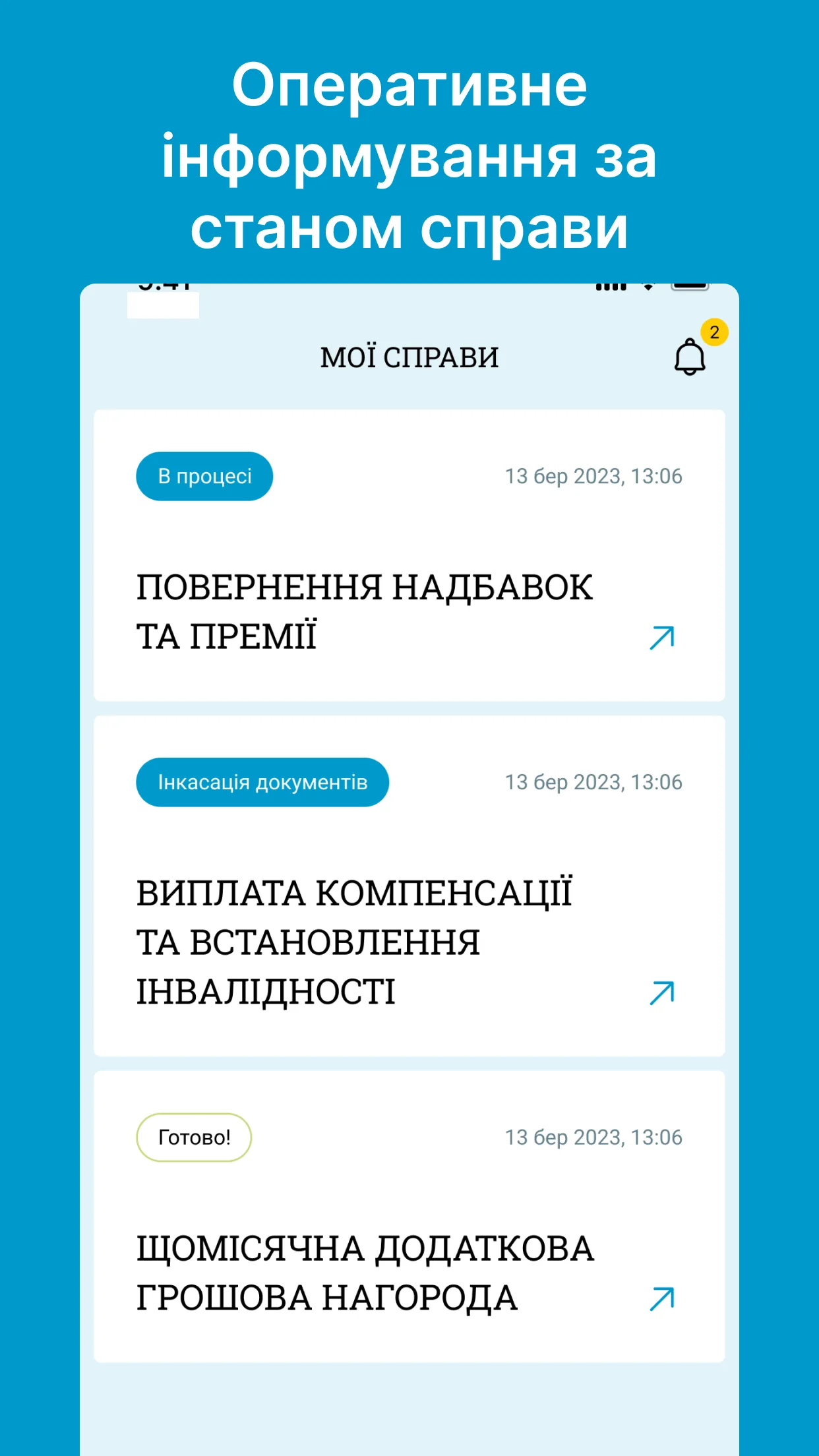
At Merezha Prava, notifications at each case stage cut inbound calls by 15%. The ROI maths is in our Merezha Prava write-up (when published).
You have quotes that don't compare.
You want to see how an estimate is built before you sign anything.
Your app handles private or hard moments.
Legal cases, recovery, screen-time habits. Every screen and every permission request needs care.
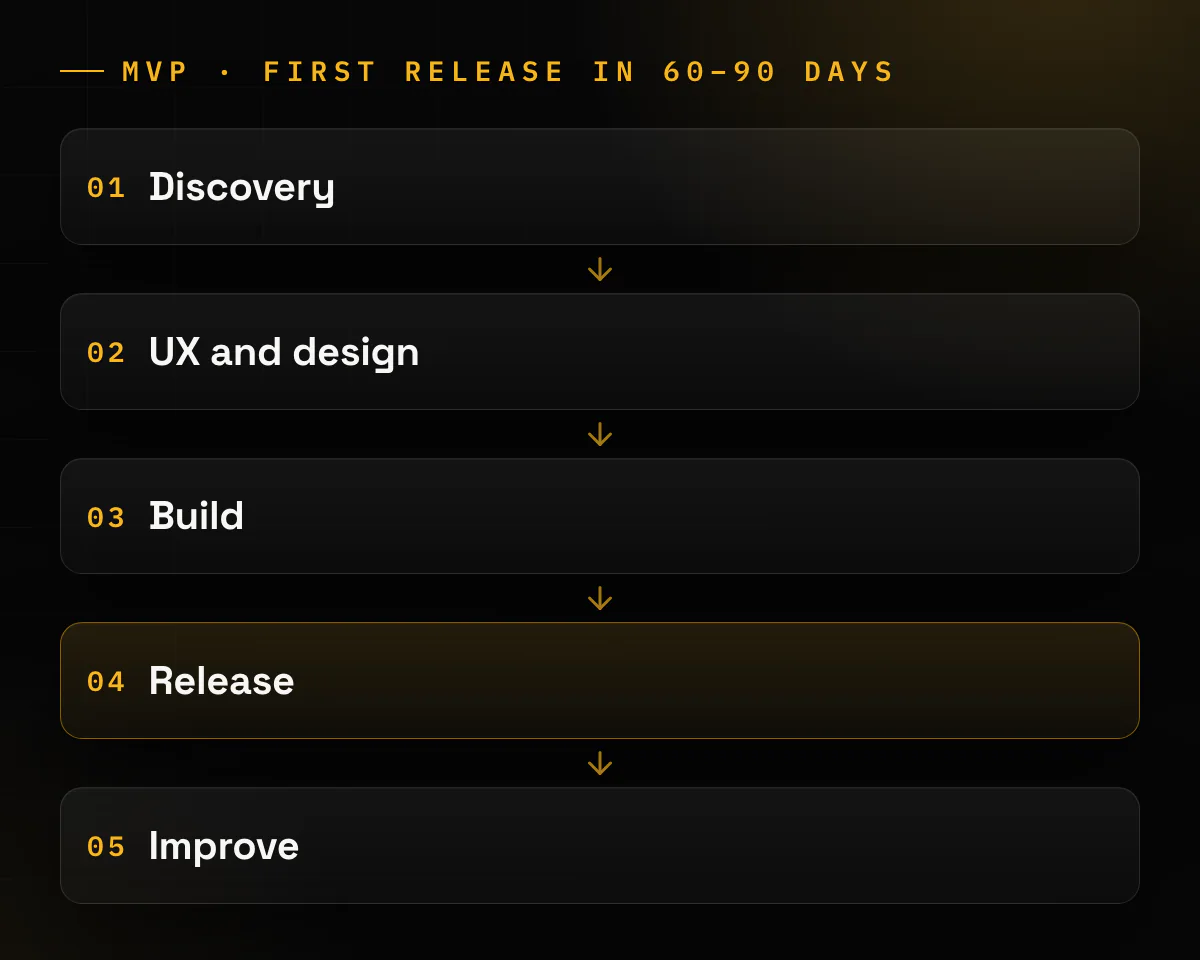
What you hold at the end of each phase
- Discovery: a simple product plan (users, flows, scope, priorities, and what goes into the first release). Then a written proposal with an estimate; development is billed hourly. The first discovery session is free; a full discovery is fixed-priced, depending on the product. What discovery settles, and what it doesn't: our discovery write-up.
- UX and design: screens and user flows, agreed before engineering time gets expensive. Design is billed hourly.
- Build: the app (native, or one shared codebase for both platforms), plus a backend and admin panel if your product needs them. Weekly progress.
- Release: App Store and Google Play listings, store review and launch.
- After launch: fixes, updates, analytics and the next features.
Merezha Prava
Our role: we ran discovery and design, built the native iOS and Android apps, and built the Laravel backend with its web admin.
Timeline: the first MVP shipped in 3–4 months, and we built and ran the product for about two years. Merezha Prava is a Ukrainian legal-services company. Its clients have long-running cases. They used to call the office for every update. The app gives them one place for case stages, payments, documents and lawyer comments. "The project was delivered quickly and efficiently, and their communication was exceptional." (Maksim Kriviy, Merezha Prava, Ukraine)
Read the Merezha Prava case →- 36,000+ users in the app
- 15% fewer inbound calls to the office overall, after automated case-stage notifications
- 36,700+ documents uploaded through the app in its first six months
- 77% of users turned on push notifications
More new apps we built
Rethought · Switzerland
Our role: we built the app and released it on the App Store.
A privacy-first iPhone app that turns opening a distracting app into a short, mindful pause. It explains Screen Time access before iOS asks for it.
3 intervention stepsScreen Time permission flow
Read the case →Gamble Count · Denmark
Our role: we built the app in Flutter.
A recovery-support app with a quit-plan dashboard, logbooks and statistics. Its case page shows demo data, so we don't quote numbers from it.
Read the case →How it runs
| Step | What happens | How long |
|---|---|---|
| 1. First call | Your idea, your users, your deadline. | 30 min |
| 2. Discovery | Users, flows, scope, priorities, first release. Ends with a written proposal with an estimate. | Depends on scope |
| 3. UX and design | Screens and user flows. Design is billed hourly. | Depends on scope |
| 4. Build | Weekly progress you can check. | See below |
| 5. Release | App Store and Google Play review and launch. | Set by Apple and Google |
| 6. Improve | Fixes, analytics, next features. | Ongoing |
- Start: we usually start within one working week.
- Design first, if you prefer. A design-first phase gives you something concrete to react to before you commit to the full build.
- How long overall: our calculator's model puts a focused first release at about 6–12 weeks from design to release. A mid-size app takes about 3–6 months. Two real ones: Merezha Prava's first MVP shipped in 3–4 months, and Travel Security Kit went from product flow to a completed Android foundation in 6 months.
Pricing
- Rates are per engineer, about $30–$90 an hour by level and experience. No minimum project size. How we get to a first range. This is the model our cost calculator uses, with one blended planning rate:
- 1. Hours. A base for your type of app, plus hours for each feature.
- 2. Multipliers. Platforms, design depth and compliance work in regulated sectors (legal, finance, health) change the hours.
- 3. Rate. Hours × a blended planning rate. It is a planning figure, not a single price: our actual rates are per engineer.
- 4. Range. Before discovery we show ±15% around the midpoint. An honest estimate at this stage is a range.
- 5. Proposal. After discovery, a written proposal with an estimate; development is billed hourly. The full model, with the hours for every feature, is in our cost model write-up (when published).
- A worked example: a simple MVP. We ran our own calculator on 23 September 2026 for a common first release: the "Simple app / MVP" tile; both platforms on one shared codebase; the preselected features (sign-in and profiles, push notifications, analytics); custom design, and no regulated-sector work. Result: 589 engineering hours, £22,500–£30,500, about 6–12 weeks from design to release.
- Change one thing at a time and the model moves like this: every row below still lands in the 6–12-week band.
- Template design instead of custom: 535 hours, £20,500–£27,500.
- iPhone only, or Android only: 530 hours, £20,500–£27,500.
- Regulated sector (legal, finance, health): 706 hours, £27,000–£36,500.
- Two fully native apps: 1,000 hours, £38,500–£51,500.
- Add subscriptions: 1,073 hours, £41,000–£55,500. Subscriptions add 90 hours on their own. In our model they also bring a custom backend (350 hours), as do payments, chat, an admin panel, an AI feature, live tracking and CRM integration.
- Run this example yourself: open the app cost calculator and pick "Simple app / MVP".
- Ways to a smaller number: cut the first release to one core job (the fastest way to a smaller number); launch on one platform first (two fully native apps add about 70% to the hours); start with template design ("fastest start" in the calculator) instead of custom or premium design.
- What we'd cut from your first release: payments or subscriptions, if version one only has to prove people use the app (in the example above, adding subscriptions almost doubles the price); loyalty points and tiers for legal or claims work, because clients rarely come back often enough for points to pay off (our ROI calculator switches that add-on off for legal work).
- Will it pay off? Send your estimate into the ROI calculator and see the payback for your niche.
What "built to keep" means
The parts our new apps shipped with
A first release should not be thrown away when it works. These are the parts our new apps shipped with, and where.
| Part | What it does for you | Where |
|---|---|---|
| A real backend when the app needs one | A modular Laravel service with a web admin and queue-backed processes. | Merezha Prava |
| Notifications that lead somewhere | A push notification at each case stage, with deep links into the app; 77% of users opted in. | Merezha Prava |
| Permission requests people understand | Screen Time access is explained before the system prompt appears. | Rethought |
Which platform first? The calculator gives four options: iPhone only, Android only, both with a shared codebase, or two fully native apps. It marks the shared codebase as its recommended default for reaching both platforms. Rethought and Gamble Count were built that way, in Flutter, and Rethought adds Swift where Apple's Screen Time controls require it. On the first call we'll tell you which fits your users and budget. How we decide: our native or cross-platform write-up (when published), and our iOS and Android app development pages.
Our stack on new apps, from shipped projects
Native Kotlin and Swift, or Flutter where one shared codebase suits the product; a Laravel backend with a web admin when the product needs one; push notifications with deep links (OneSignal, Firebase); StoreKit and Google Play Billing for subscriptions.
Store rules a first release has to meet
Last checked: [TEAM SUPPLIES: date at publish; re-check each rule]
- Google Play target API. New apps and updates must target Android 16 (API level 36) from 31 August 2026. Google Play Console Help
- App Store build tools. Since 28 April 2026, every upload must be built with Xcode 26 and a 26-series SDK. Apple, Upcoming requirements
Who you'll work with
Our engineers work remotely across Europe. Your contract is with an EU company registered in Estonia (details in the FAQ below).
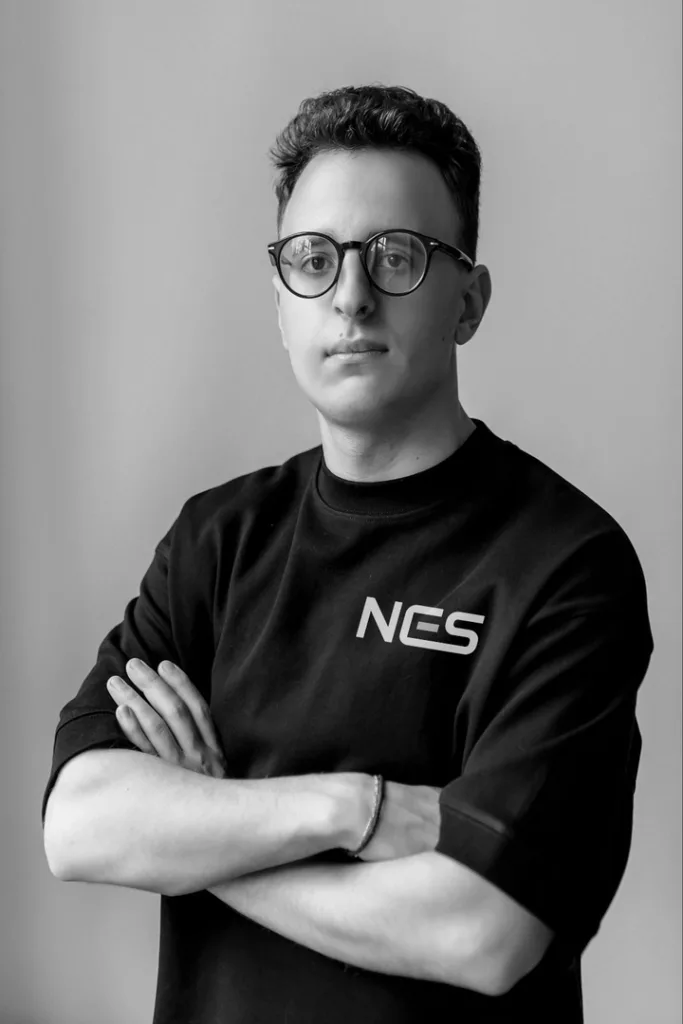 Oleksiy Kazavchynskyy, CEO: takes the first call, leads discovery and is your commercial contact. Our founder has 8+ years building mobile. Clients on Merezha Prava, Rethought and Gamble Count describe working with "Oleksiy and his team".
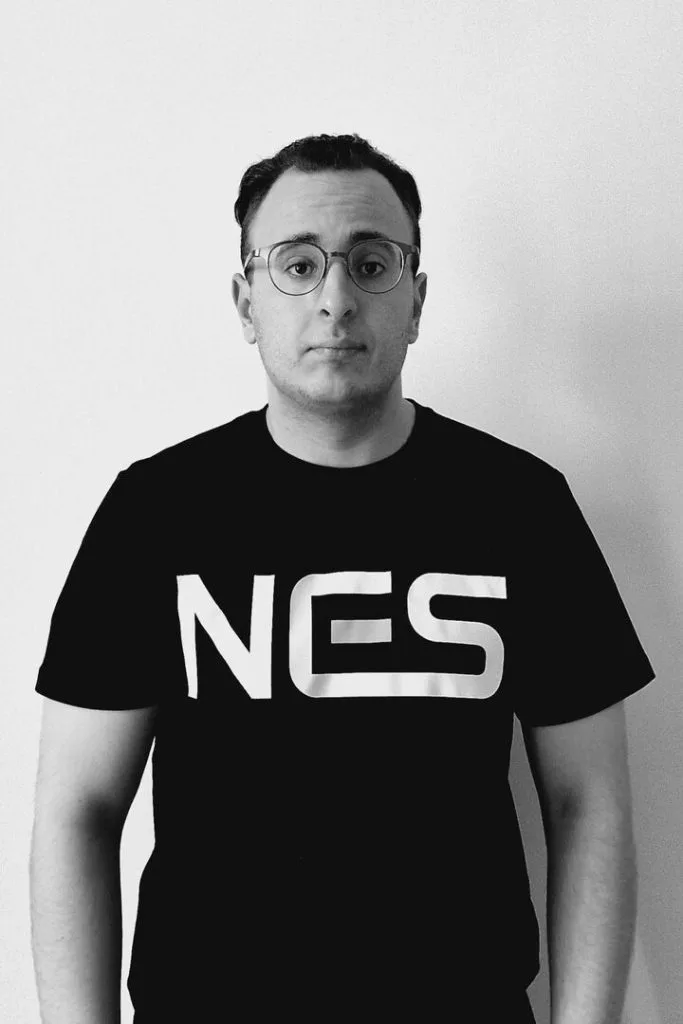 Andriy Kazavchynskyy, Co-founder, responsible for delivery; your staffing contact
- Dmytro, Business analyst and project manager
[TEAM SUPPLIES (review step): add "Reviewed by <name>, <date>" only after that person reviews the page]
FAQ
It depends on scope. A typical MVP reaches its first release in 60–90 days. Our calculator's model puts a focused first release at about 6–12 weeks from design to release, and a mid-size app at 3–6 months. Merezha Prava's first MVP took 3–4 months. After discovery we confirm the timeline in a written proposal with an estimate; development is billed hourly.
Before discovery we give a ±15% range, built from engineering hours per feature. After discovery you get a written proposal with an estimate; development is billed hourly.
Yes. A design-first phase gives you something concrete to react to before you commit to the full build. The first discovery session is free. A full discovery is fixed-priced, depending on the product, and design is billed hourly. What a discovery phase settles is in our discovery write-up.
The rights to the code and design files pass to you as each invoice is paid. The agreement sets whose App Store and Google Play accounts the app is published from. Often they are yours from day one. On some MVPs the repository, store accounts and keys sit on our side while we build, to move faster, and are then transferred to you.
Our team is distributed: engineers work remotely across Europe, from the UK to Portugal, the Nordics and DACH, and a few work in Ukraine. Your contract is with AppVanta OÜ, an Estonian company (reg. 17188835, VAT EE102858846). Next Era Solutions is its trading name.
We plan for compliance and data protection from day one. In our calculator, the regulated-sector option (legal, finance, health) adds the extra work: stricter security, audits and data handling. How personal data is handled and transferred is agreed in writing for each project; ask us.
We handle fixes, store updates, analytics and the next features. Support after launch is a monthly retainer or hourly as needed; you choose.
USD or EUR, and GBP is possible. Payment terms are net 14 or net 30, depending on the client. Time and material is invoiced monthly in arrears, on logged hours. A fixed price starts with a first payment at signing, then one per milestone. Our calculator can show estimates in GBP, EUR or USD.
Tell us about the app you want to build.
Who it's for, the one job it must do well, and when you need it.
Oleksiy replies within 1 business day.